Last updated: August 8, 2026
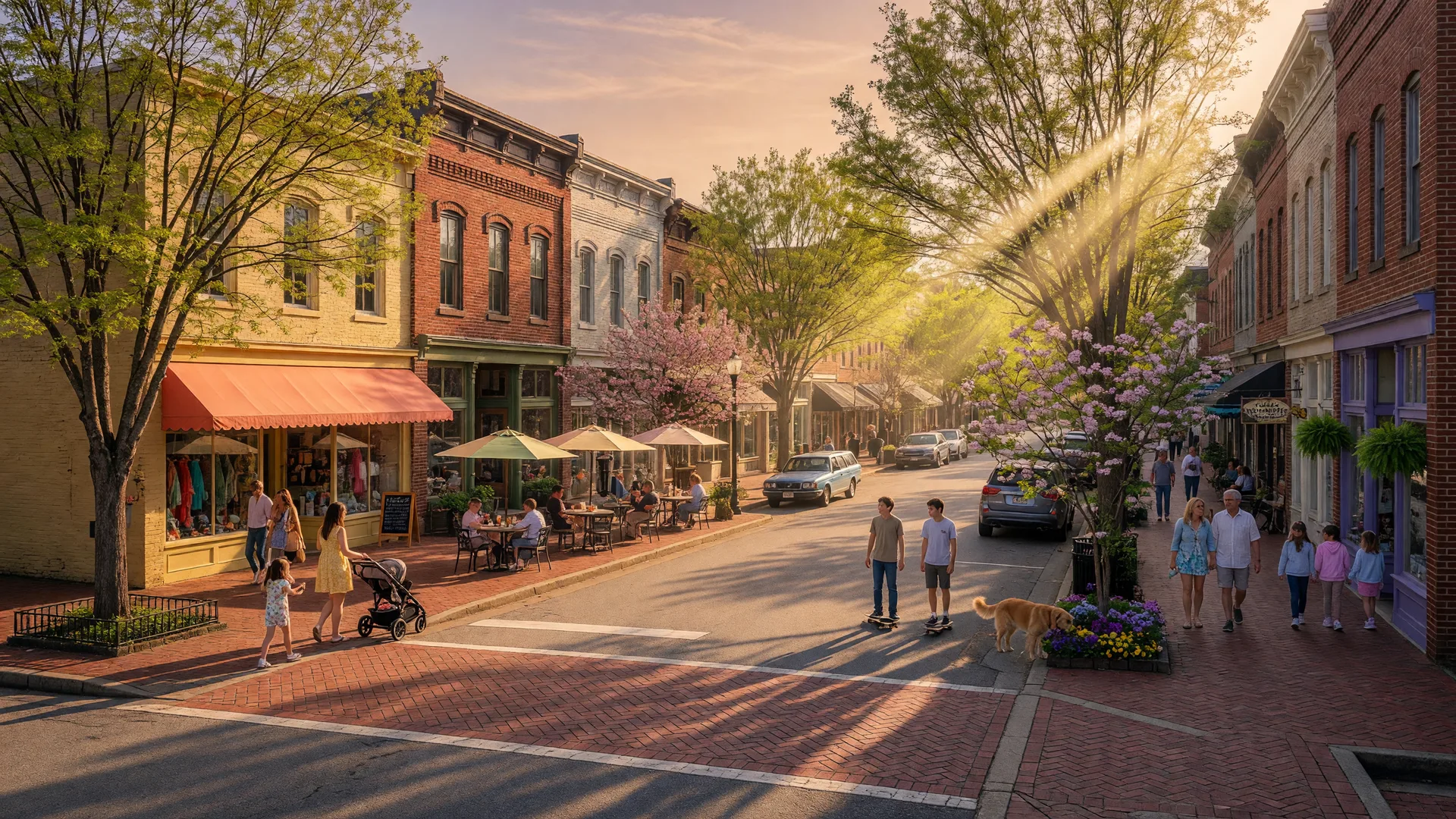
Woodstock, Georgia has become one of the most talked-about communities in NW Metro Atlanta, and for good reason. Over the past decade, this Cherokee County gem has transformed from a quiet bedroom suburb into a vibrant, walkable small city with one of the most celebrated downtown revitalizations in the country. Families are moving here from all over metro Atlanta and beyond, drawn by the schools, the lifestyle, and the sense that Woodstock is a place that has its best years still ahead of it.
We have helped countless families buy and sell homes across Cherokee County, and Woodstock is consistently one of the markets our clients ask about most. It makes sense. The downtown is thriving. The schools are excellent. The housing stock ranges from established subdivisions with towering trees to brand-new construction with modern floor plans. And the commute to Atlanta, about 35 minutes on a good day down I-575, is manageable for the lifestyle you get in return.
But buying a home in Woodstock is not as simple as picking any house on the market. The city and its surrounding area include distinct neighborhoods, different school zones, and a range of price points. The buyers who succeed here are the ones who understand how the market works before they start touring homes. This guide covers everything you need to know: the neighborhoods, the schools, the market conditions, the hidden costs, and the buying process in Cherokee County's hottest market.
Whether you are upsizing for a growing family, downsizing after the kids have left, relocating from out of state, or buying your first home, we have designed this guide to meet you where you are. Let us walk through it together.
1. Why Woodstock? What Draws Buyers to This Cherokee County Gem
Every buyer who walks through our doors considering Woodstock has a different story, but a few common themes emerge. Woodstock offers something that is becoming increasingly rare in metro Atlanta: the feeling of a genuine small town with the amenities, jobs, and conveniences of a much larger city.
The downtown revitalization is the headline, and it is impossible to overstate. Woodstock's downtown transformation is considered one of the most successful in the country. What was once a quiet collection of historic buildings became, over the past two decades, a walkable destination with restaurants, boutique shops, coffee houses, and a genuine sense of place. The city invested early, starting with a Livable Centers Initiative grant in 2002 that created a Downtown Master Plan, and the results speak for themselves. Historic structures like the train depot and the Hubbard House were reborn as gathering spots, and new developments like the City Center project continue to build on that momentum.
On any given weekend evening, Main Street is alive with people walking between dinner reservations, stopping for ice cream, or heading to the Northside Hospital-Cherokee Amphitheater for a concert. The Summer Concert Series draws families from across Cherokee County, and the city runs a full calendar of events that give Woodstock a community feel you simply do not find in newer, unincorporated subdivisions.
Cherokee County schools are another major draw. The Cherokee County School District is one of the highest-performing districts in Georgia, and Woodstock is home to some of the district's top schools, including Woodstock High School and its feeder elementary and middle schools. Families move here specifically to get into these school clusters, and that demand shows in home values.
Outdoor recreation is woven into Woodstock's identity. The city maintains miles of greenway trails, including the popular Woodstock Greenprint trail network and the Noonday Creek Trail, which connects to the larger Allatoona Trail system. Lake Allatoona and Red Top Mountain State Park are a short drive away, offering boating, fishing, hiking, and camping. For families who value time outdoors, Woodstock delivers.
Who is Woodstock best for? In our experience, Woodstock is ideal for families with school-aged children who want Cherokee County's top-rated schools, professionals who commute to Atlanta or the North Fulton job corridor, empty nesters who want a vibrant downtown with walkable dining and entertainment, and anyone who values a strong sense of community and an active outdoor lifestyle.
If you are still deciding whether Woodstock is right for you, we recommend reading our honest guide to the pros and cons of living in Woodstock and our complete cost of living breakdown to get a fuller picture. For a deeper look at the broader area, visit our Woodstock neighborhood guide and Cherokee County overview.
2. Woodstock Real Estate Market Snapshot
The Woodstock real estate market is highly competitive. Based on the most recent First Multiple Listing Service (FMLS) data for Q2 2026, the numbers confirm that Woodstock is one of the most active markets in Cherokee County.
Market Stats FMLS Q2 2026
- Median home price: $495,000
- Price per sq ft: $215
- Median days on market: 14
- Total homes sold (Q2 2026): 423
- Competitiveness: Very competitive (14 DOM)
Price Range by Home Type
- Single-family (downtown-adjacent): $400K to $1M+
- Single-family (established subdivisions): $375K to $750K
- New construction: $400K to $900K
- Townhomes and patio homes: $300K to $550K
- Condos: $200K to $350K
With a median days-on-market of just 14, Woodstock is a very competitive market. Homes in the Woodstock High School district and downtown-adjacent locations routinely attract multiple offers in the first two weeks. The median price of $495,000 at $215 per square foot means Woodstock commands a premium over neighboring cities, reflecting the strength of its downtown revitalization and school district. With 423 homes sold in Q2 2026, transaction volume is robust.
For context on what different budgets buy in Woodstock: at $400,000, you are looking at approximately 1,860 square feet, typically a townhome or smaller single-family home. At $500,000, that moves to around 2,325 square feet with solid options in established subdivisions. At $600,000, you are looking at approximately 2,790 square feet in desirable school zones and downtown-adjacent neighborhoods. And at $800,000, you are in the premium tier with approximately 3,720 square feet and access to the city's finest locations.
Inventory remains below healthy levels in the most desirable areas, particularly in the Woodstock High School district. If you find a home that checks most of your boxes, you need to be ready. Have your pre-approval letter ready. Know your must-haves. And be prepared to make a decision quickly when the right property comes along.
For a deeper look at the broader area, visit our Cherokee County overview. For the complete FMLS dataset, see our Market Statistics page.
3. Downtown Woodstock vs. Established Subdivisions vs. New Construction
One of the most common questions we hear from buyers is: "Where should I be looking in Woodstock?" The answer depends entirely on what kind of lifestyle you want. Woodstock offers three distinct living experiences, and each one appeals to a different type of buyer.
Downtown Woodstock and the Historic Core
Downtown Woodstock is the heart of the city and one of the most walkable neighborhoods in all of NW Metro Atlanta. The area around Main Street, East Main Street, and Arnold Mill Road is where you will find Woodstock's highest concentration of restaurants, shops, coffee houses, and entertainment venues. The Northside Hospital-Cherokee Amphitheater hosts concerts and events throughout the year, and the greenway trails connect downtown to the surrounding neighborhoods.
The housing stock downtown is a mix of historic homes, many of which have been lovingly updated, and newer infill construction including townhomes and patio homes. If you want to walk to dinner, grab coffee on a Saturday morning, or stroll to the park without getting in your car, downtown Woodstock is your best option. Homes here command a premium for the location, and they tend to hold their value well.
Downtown is best for: empty nesters who want walkable urban amenities, professionals who value being steps from restaurants and entertainment, and buyers who appreciate historic character and are willing to invest in maintenance and updates.
Established Subdivisions
Woodstock's established subdivisions, many built between the 1990s and the early 2010s, offer mature trees, proven neighborhoods, and floor plans that have stood the test of time. These are communities like Great Sky, which offers swim and tennis amenities and homes on large wooded lots, or the neighborhoods surrounding the Woodstock Golf Club and Towne Lake Hills area.
These subdivisions appeal to families who want a traditional suburban feel: a neighborhood where kids can ride their bikes, where the trees are tall enough to provide real shade, and where the community amenities like pools, tennis courts, and clubhouses are already established. The homes tend to offer more square footage for the price than downtown or new construction, and the lots are often larger.
Established subdivisions are best for: growing families who want space, a neighborhood feel, and community amenities; buyers who prefer mature landscaping over a blank slate; and anyone looking for more square footage at a lower per-square-foot cost than new construction.
New Construction Communities
Woodstock continues to see new home construction, particularly on the edges of the city limits and in the surrounding Cherokee County area. These communities offer modern floor plans, open concepts, energy-efficient features, and the peace of mind that comes with a builder warranty. Many new communities also include resort-style amenities: pools, clubhouses, fitness centers, and walking trails.
New construction is especially popular with buyers who want a turnkey home without renovation projects. You get to choose finishes, floor plans, and sometimes even the lot. The trade-off is that new communities often have smaller lots, less mature landscaping, and HOAs with stricter architectural guidelines. You also pay a premium for new construction, typically $20 to $40 per square foot more than a comparable resale home in an established neighborhood.
New construction is best for: buyers who want a move-in-ready home with modern finishes, growing families who want community amenities without maintenance concerns, and anyone who values energy efficiency and lower utility costs.
Still not sure which area fits you best? Our complete Woodstock neighborhood guide goes into more detail on each area. And if you are comparing Woodstock to a neighboring city, read our Marietta vs. Woodstock comparison or our Kennesaw vs. Woodstock comparison to help make your decision.
4. School Zones in Woodstock
School zones are one of the most important factors driving home values in Woodstock. If you are buying with children, or if you care about future resale value, understanding how Cherokee County school zones work is essential.
Woodstock is served by the Cherokee County School District, one of Georgia's highest-performing districts. The district consistently ranks among the top school systems in the state, and its Woodstock-area schools are among the district's best.
The key high school clusters in the Woodstock area include:
- Woodstock High School - The primary high school serving the Woodstock area. Woodstock High is a well-regarded school with strong academic programs, Advanced Placement courses, and competitive athletics. It feeds from Woodstock Middle School and a network of elementary schools including Woodstock Elementary, Arnold Mill Elementary, and Carmel Elementary.
- River Ridge High School - Serving portions of northeast Cherokee County, including parts of the Woodstock area. River Ridge is a newer school with modern facilities and strong academic programs. Its feeder schools include Creekland Middle, Freedom Middle, and several elementary schools.
- Sequoyah High School - Serving parts of eastern Cherokee County near the Woodstock border. Sequoyah is known for strong academic and athletic programs and shares feeder patterns with several elementary and middle schools in the area.
School assignments in Cherokee County are determined by your exact address, and the district publishes detailed boundary maps. Elementary feeder patterns determine which middle school and high school your child will attend, so it is important to verify the school assignment for any property you are considering.
Cherokee County operates a three-tier school schedule, meaning elementary, middle, and high schools within the same zone have staggered start and end times. This is something to consider when planning your family's daily routine. For a detailed breakdown of each school and feeder pattern, read our complete Woodstock Schools Guide.
Want Expert Help Finding Your Perfect Home?
Team Haigh has helped 360+ families find their ideal home in NW Metro Atlanta. We can help you too.
5. What to Look for in a Woodstock Home
After 360-plus transactions across NW Metro Atlanta, we have seen every type of home Woodstock has to offer. Here is what we tell our buyers to look for and look out for.
Older Established Homes (1990s to Early 2000s)
A significant portion of Woodstock's housing stock was built in the 1990s and early 2000s, particularly in the Towne Lake area and the subdivisions near downtown. These homes typically offer solid construction, traditional floor plans, and large lots with mature trees. Here is what to inspect carefully:
- Roof age - Many homes from this era are due for a second roof replacement. A 20- to 25-year-old roof is nearing the end of its service life, especially after Georgia's hailstorms.
- HVAC systems - Original HVAC units from the 1990s are past their expected lifespan. Budget $5,000 to $12,000 for replacement depending on system size.
- Plumbing - Look for signs of aging pipes, especially in homes with original galvanized plumbing. Polybutylene pipes, used in some 1990s homes, are a known concern.
- Windows - Original single-pane or early double-pane windows may be drafty or failing. Replacement windows are a common upgrade in this age range.
- Foundation and grading - Georgia clay is notorious for shifting with moisture. Homes on slab foundations can develop settling issues, so pay attention to cracks in drywall, doors that stick, and uneven floors.
Newer Construction (2010s to Present)
Newer communities in and around Woodstock offer modern floor plans, open concepts, and energy-efficient features. But they also come with their own considerations:
- HOA fees and rules - Most newer subdivisions have HOAs with monthly or annual fees. Read the covenants carefully before you commit.
- Builder quality - Not all builders are equal. Research the builder's reputation, tour their completed homes, and consider a new construction inspection even on a brand-new house.
- Lot sizes - Newer developments typically have smaller lots than older neighborhoods. If you value privacy and outdoor space, this is an important trade-off.
- Landscaping maturity - A new neighborhood lacks the mature trees and established landscaping that give older areas their character.
Historic Downtown Homes
Woodstock's historic core includes homes dating back to the early and mid-1900s. These homes offer real character, original details, and exceptional walkability. But they require careful inspection: pay close attention to the foundation, electrical system, plumbing, roof, and evidence of termite damage. A thorough inspection by a qualified professional is non-negotiable.
Our advice: Know your priorities before you start touring. Do you value walkability over square footage? Do you need top school zones even if it means a smaller home? Do you prefer a turnkey property or are you willing to invest in updates? Answering these questions upfront will save you time and help us find the right fit faster.
6. The Woodstock Buying Process: Tips from Campbell and Beth
The Woodstock market is competitive, but it is navigable with the right strategy. Here is what we tell every buyer we work with in Cherokee County.
Get Pre-Approved Before You Start Looking
This is the single most important step. Sellers in Woodstock expect buyers to have a pre-approval letter before they will even consider an offer. We have seen buyers lose out on homes because they were waiting on a lender while another buyer came in with financing already lined up. Talk to a lender, get your documents organized, and secure that pre-approval before you tour a single home.
Understand the Cherokee County Market Dynamics
Cherokee County's market operates differently from Cobb County, just across the line. Inventory tends to be tighter, and the buyer pool includes not just local families but also relocating professionals drawn by the school district and the quality of life. The most desirable properties, especially those in the Woodstock High School zone or with downtown proximity, attract strong competition.
Be Ready to Move Quickly
The best homes in Woodstock move fast. We tell our clients to be prepared to make a decision within 48 hours of the right property hitting the market. That means having your must-haves clearly defined, knowing your budget, and being willing to tour a home the day it is listed.
Make a Competitive Offer, But Stay Smart
In a competitive market, it is tempting to waive contingencies or offer well above asking price. We generally advise against both. A strong offer in Woodstock is one that is priced fairly based on comparable sales, includes a solid earnest money deposit, and keeps reasonable contingencies that protect you without scaring the seller. Clean offers with strong financing often win over slightly higher offers with more risk.
Don't Skip the Home Inspection
Whether you are buying a historic home near downtown or a brand-new construction in a subdivision, always get a home inspection. Cherokee County homes face the same Georgia realities: clay soil that shifts with moisture, HVAC systems working hard through hot summers, roofs that take a beating from storms. A thorough inspection gives you peace of mind and can save you thousands in unexpected repairs.
If you are a first-time buyer, our Buyer's Guide walks through the entire process from start to finish.
7. Hidden Costs of Buying a Home in Woodstock
Your monthly mortgage payment is only part of the picture. Here are the costs that many buyers do not account for when they start their home search in Woodstock.
Property Taxes in Cherokee County
Cherokee County property taxes are generally lower than Cobb County's, which is one of the advantages of buying on this side of the county line. The combined county millage rate in Cherokee typically runs around 0.9% to 1.1% of the assessed value. On a $475,000 home, that works out to roughly $4,300 to $5,200 per year. It is worth factoring this into your monthly budget from the start, and it is one reason many buyers choose Cherokee County over Cobb.
HOA Fees
Many of Woodstock's subdivisions, both established and new, have homeowners association fees. These can range from $300 to $800 per year in older neighborhoods to $1,200 to $3,000 per year in newer communities with resort-style amenities. Downtown historic properties typically have no HOA, but that means you handle your own maintenance and the downtown area has fewer shared amenities.
Homeowners Insurance
Georgia homeowners insurance rates are higher than the national average due to severe weather risk: hail, windstorms, and occasional tornado activity. Expect to budget $1,200 to $2,500 per year depending on your home's age, roof condition, and coverage level. Cherokee County's rates are comparable to Cobb County's, but older homes in the historic district may have higher premiums.
Maintenance on Older Homes
If you are buying an older home in Woodstock's established subdivisions or historic core, set aside a maintenance budget. We recommend 1% to 2% of the home's value annually for ongoing maintenance and repairs. On a $475,000 home, that is $4,750 to $9,500 per year. When you factor in a new roof ($8,000 to $15,000), HVAC replacement ($5,000 to $12,000), or a water heater ($1,500 to $2,500), it adds up fast.
Private Mortgage Insurance (PMI)
If you are putting down less than 20%, your lender will require private mortgage insurance. PMI typically costs 0.5% to 1% of the loan amount per year, which on a $400,000 loan would be $2,000 to $4,000 annually. Factor this into your monthly payment if you are not planning a 20% down payment.
For a detailed breakdown of what it actually costs to live here, read our complete cost of living guide for Woodstock.
8. Why Team Haigh Knows Woodstock
We have saved the most important section for last. Because here is the truth: buying a home in Woodstock is not just about finding the right house. It is about finding the right neighborhood, the right school zone, the right commute, and the right community for your family's unique needs.
Campbell Haigh has been in the real estate business his whole life. His grandfather started as a broker in the 1920s, and that legacy runs through three generations on his side of the family and two on his mother's side, more than a hundred years of real estate experience all told. Campbell got his license in 2013, and before that, he learned the property side the hands-on way: flipping homes and owning rentals of his own.
Beth Haigh has been licensed for even longer, with a background in commercial property management and commercial roofing sales. She has known real estate from the ground up, literally, from how a building is managed to how it is built. Together, they are the foundation of Team Haigh Realty.
With 360+ homes sold, $106 million-plus in sales, and nearly 300 five-star reviews, Team Haigh has helped more families buy and sell across NW Metro Atlanta than almost any other team in the area. Nearly 60 percent of our business comes from clients who return to us and refer the people they love. That is the clearest proof that when you put clients' interests first, they come home to you.
We know Woodstock and Cherokee County from the ground up. We know which neighborhoods feed into Woodstock High, which streets have the best access to downtown, which communities offer the best amenities for growing families, and which builders stand behind their work. And we bring that knowledge to every client we serve.
Whether you are upsizing into a larger home for your growing family, downsizing after the kids have moved out, relocating from out of state, or buying your first home, we are here to guide you through every step with calm, expert counsel and genuine empathy. It is not just a transaction. It is a major life decision, and we treat it that way.
Ready to Find Your Home in Woodstock?
Let us talk through your needs, your budget, and the neighborhoods that fit your lifestyle. We know Woodstock and Cherokee County inside and out, and we will give you the honest, personalized guidance you need to make the right decision. No pressure, no obligation.
Browse Woodstock Homes for Sale
See all active listings in Woodstock and across Cherokee County.
Browse Woodstock Homes for Sale