5 Dangers of Overpricing Your Home
1 of 9

A Team Haigh Realty Home Seller's Guide
5 Dangers of Overpricing Your Home for Sale
Why your starting price matters, what buyers expect, and how to protect your home's first impression in Northwest Metro Atlanta.
Campbell & Beth Haigh
Trusted. Experienced. Faith-Driven.
An interactive read: swipe, scroll, or use the arrows. The full guide is on this page.
Introduction
Before You Choose Your Asking Price
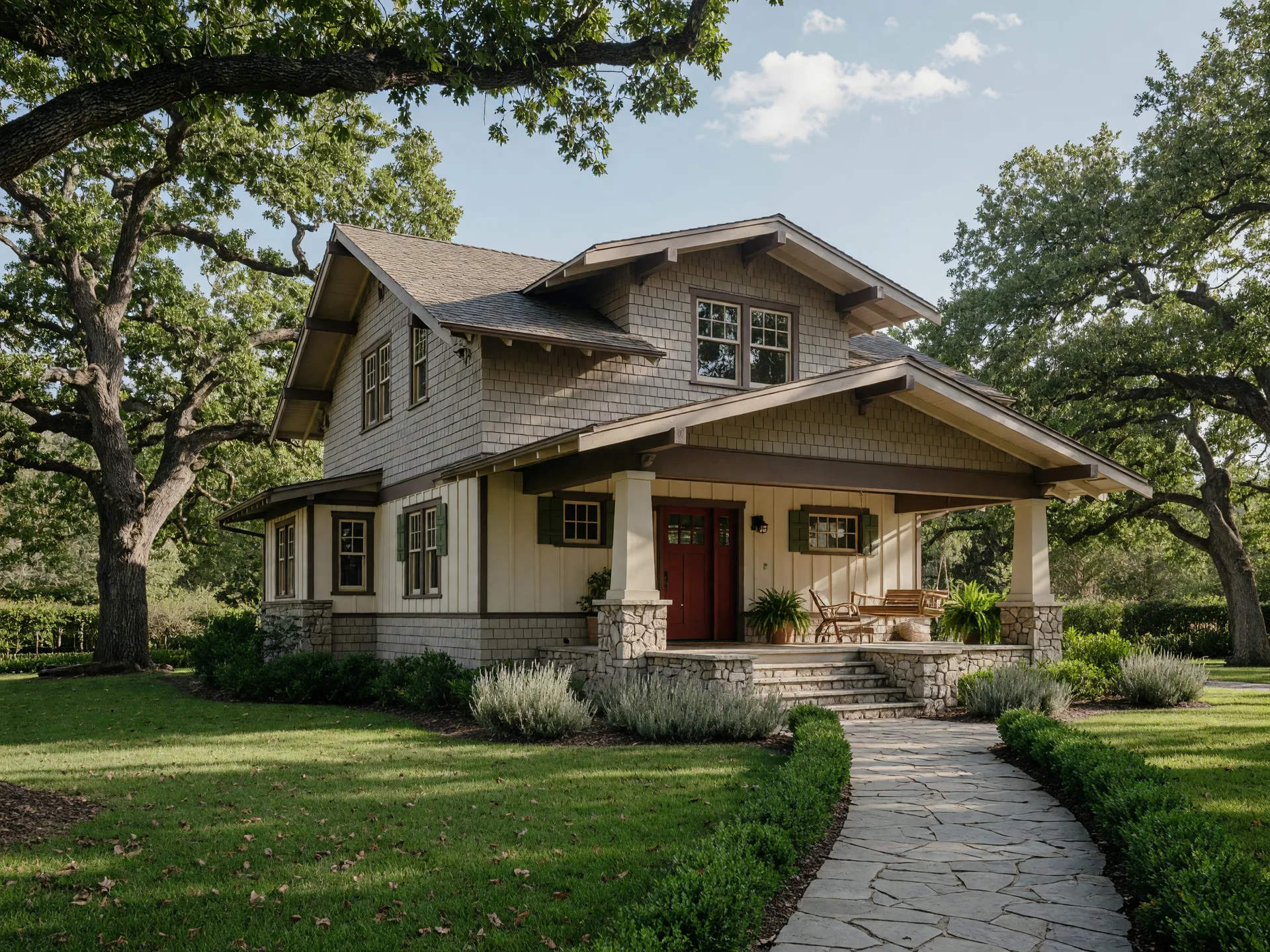
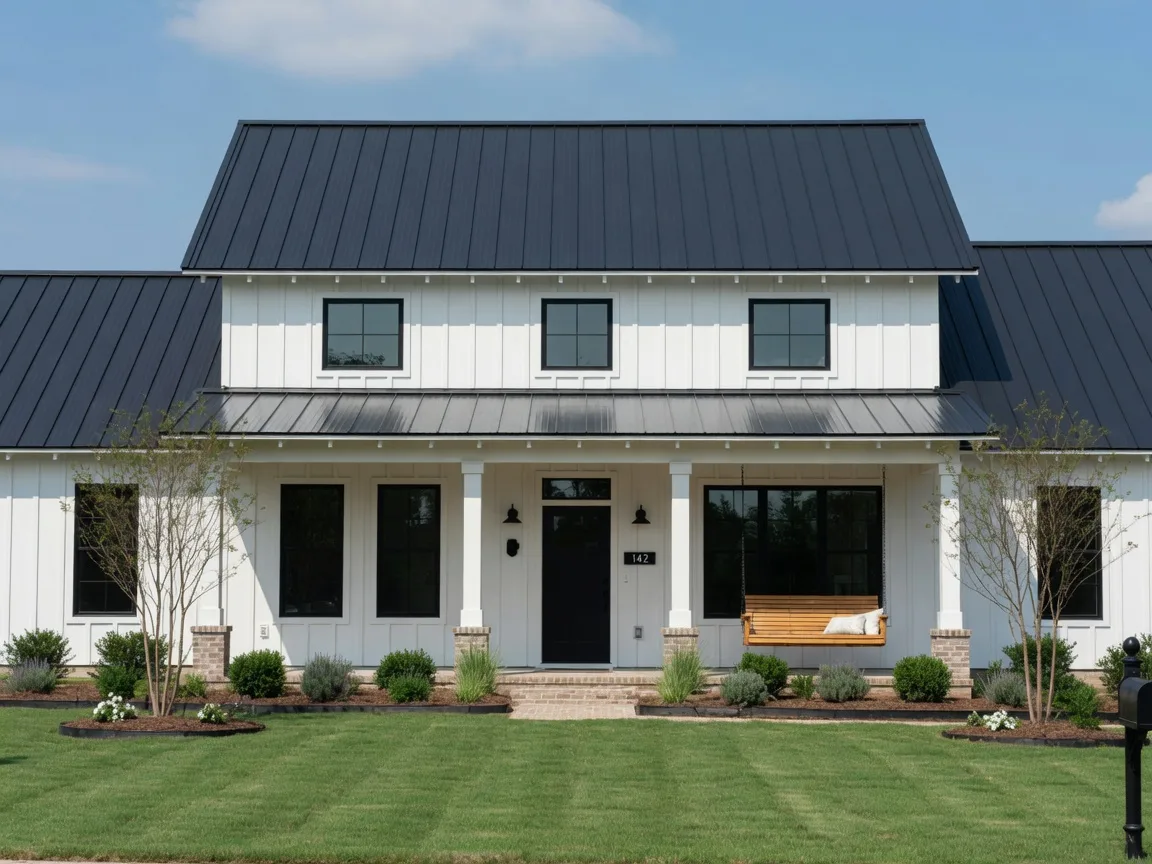
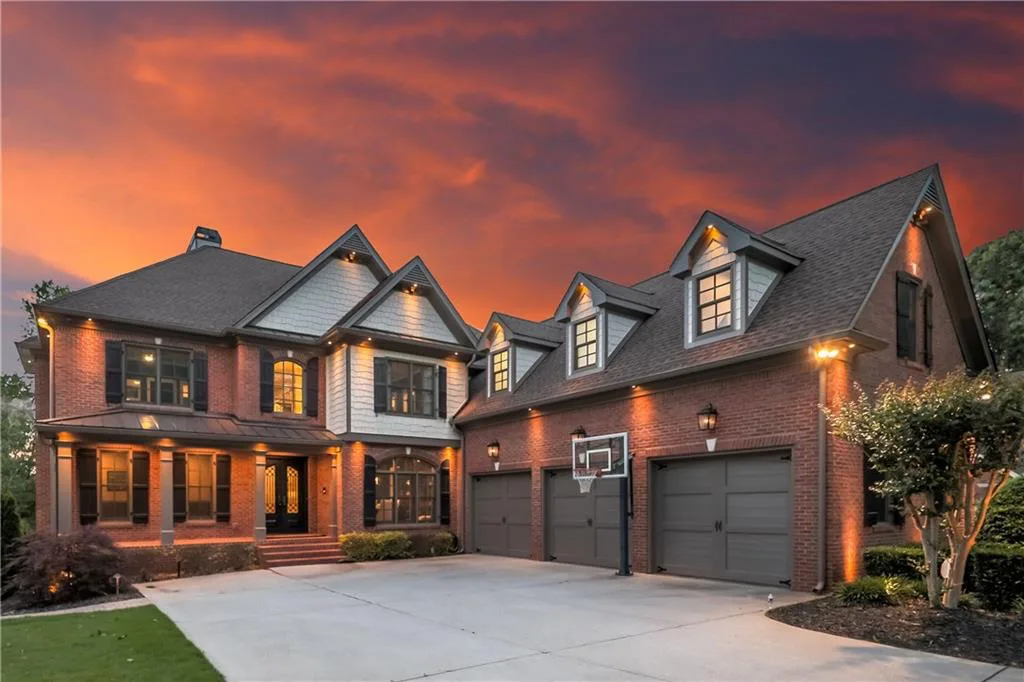
What if the buyer who would love your home never even sees it?
Imagine putting your home on the market with beautiful photographs, professional marketing, and a price you hope will leave room for negotiation.
But the buyers who would find your home most appealing aren't seeing it because it's priced above their search range.
Meanwhile, buyers who are seeing it are comparing it with homes offering more of the features and finishes they expect for that money.
Your home may be getting attention from the wrong buyers while missing some of the right ones.
That's one of the dangers of overpricing.
It's a beauty contest AND a price competition.
When buyers shop for a home, they're comparing more than square footage and bedroom counts. They're looking at condition, finishes, floor plans, amenities, location, and overall appeal.
And they're asking themselves a simple question:
"Of all the homes I can buy for this amount of money, why should I choose this one?"
Your home doesn't have to be the prettiest or the cheapest. It needs to be a compelling choice compared with the competition.
That doesn't mean pricing below what your home is worth. It means understanding its strengths, recognizing its competition, and choosing an asking price supported by the market.
At Team Haigh, we call the first 14 days of a listing’s time on the market the Golden Window.
Those early days are an important opportunity to introduce your home to buyers and learn how they're responding. You want your home's price, presentation, and marketing working together from the beginning.
Before deciding on an asking price, here are five dangers of overpricing every homeowner should understand.
The five dangers
- Fewer buyers schedule showings.
- Your price creates expectations your home may not meet.
- The right buyers may never find your home.
- You make competing homes look more attractive.
- You risk losing valuable time and negotiating strength.
Danger #1
Danger #1: Fewer Buyers Schedule Showings

Online attention doesn't automatically turn into appointments.
Buyers often see a home online before deciding whether it's worth visiting in person.
They look at photographs, read the description, review the features, and compare the asking price with other available homes.
If your home appears overpriced, they may simply move on.
And here's what makes this frustrating for sellers: Your home could be receiving plenty of online views without generating meaningful interest.
That doesn't necessarily mean the marketing isn't working.
It may mean the marketing is successfully putting your home in front of buyers, but those buyers aren't finding the value compelling enough to schedule a showing.
Exposure and buyer response are not the same thing.
Think of the process this way:
Online exposure → Buyer interest → Showings → Offers
Each step tells us something different.
Strong online exposure with few showings may suggest that buyers aren't finding the combination of price, features, and presentation compelling enough to visit.
Plenty of showings without offers may point to a different issue. Perhaps buyers like the location or floor plan but believe competing properties offer better value.
Neither pattern tells the whole story by itself. We also consider market conditions, available inventory, showing feedback, and how similar homes are performing.
The Team Haigh perspective
Professional photography, thoughtful presentation, and strong marketing help your home earn attention.
But marketing cannot consistently turn an uncompetitive asking price into a compelling value.
The goal isn't simply to get people to look at your home. It's to give qualified buyers a reason to take the next step.
Danger #2
Danger #2: Your Price Creates Expectations Your Home May Not Meet
Your asking price determines the company your home keeps.
Imagine a buyer shopping for homes around $700,000 in West Cobb.
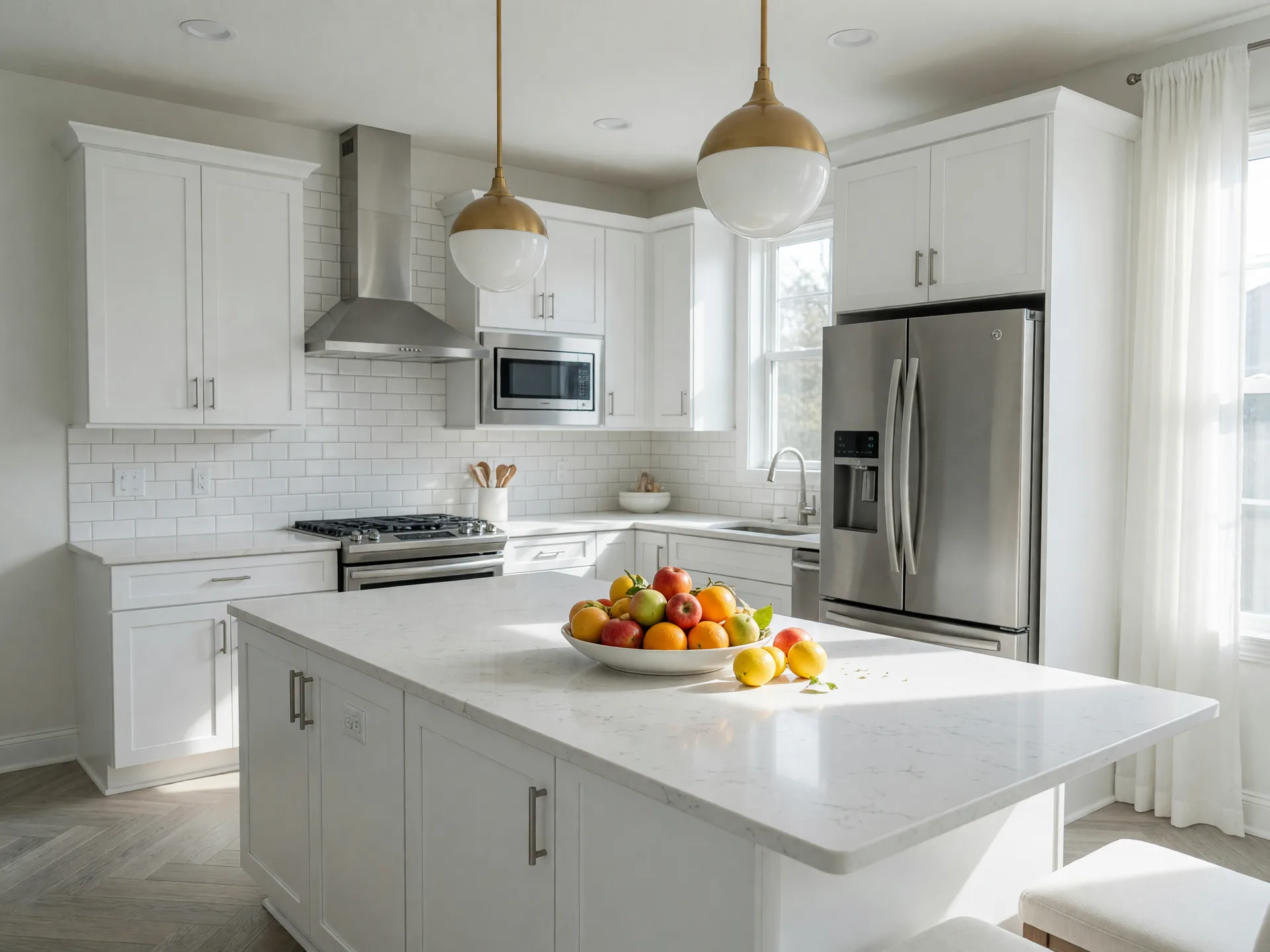
They've toured several properties with updated kitchens, renovated bathrooms, attractive flooring, and inviting outdoor living spaces.
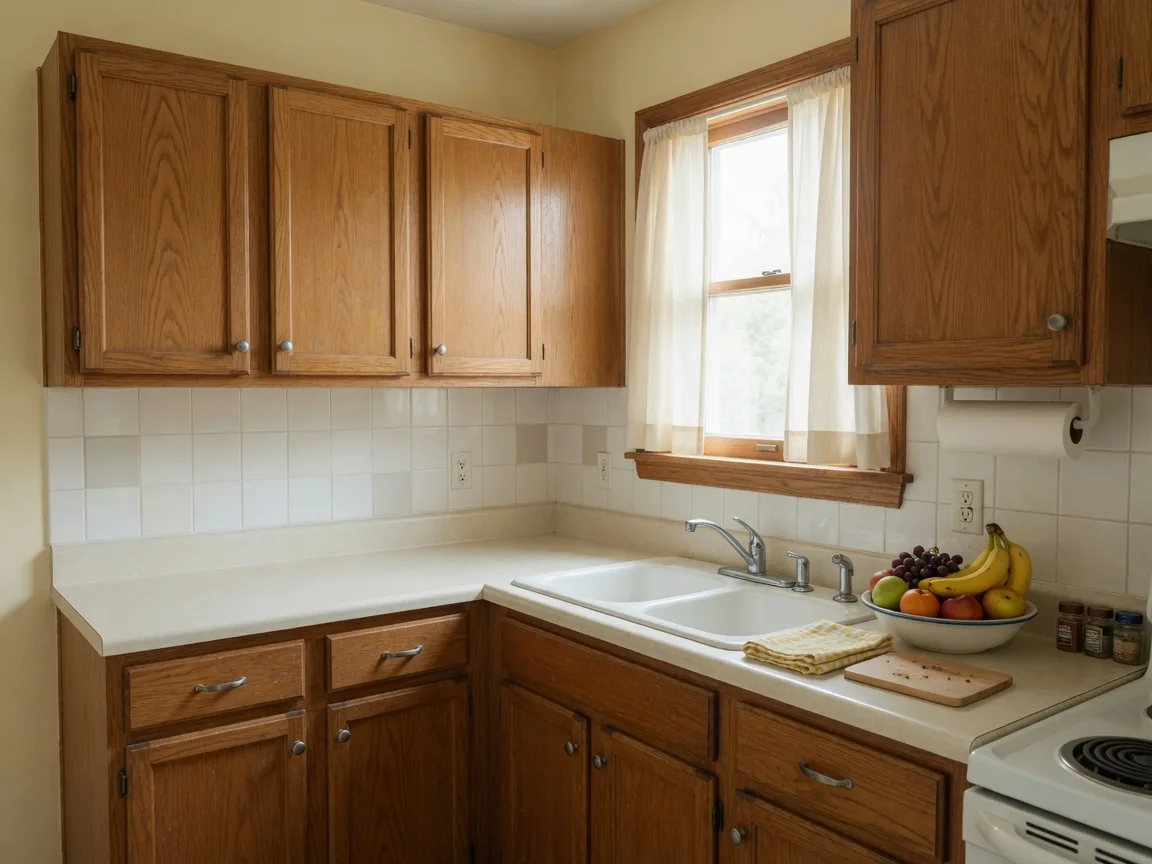
Then they visit another home listed at $700,000. It's well-maintained, has a functional floor plan, and offers plenty of room, but the kitchen and bathrooms still have their original finishes from 30 years ago.
There's nothing necessarily wrong with that home.
The problem is what buyers are comparing it with.
At that price, they may expect features or finishes that competing homes offer and this one doesn't.
The home may be appealing. The asking price may simply have placed it in the wrong competition.
But finishes aren't everything.
An older kitchen doesn't automatically mean a home should sell for less.
A desirable location, larger lot, privacy, flexible floor plan, exceptional outdoor space, or other hard-to-find features may make a home more valuable than one with newer countertops and cabinets.
That's why pricing requires more than counting upgrades or comparing price per square foot.
We have to understand what makes your particular property valuable to buyers and how those advantages compare with the alternatives.
The Team Haigh perspective
Buyers don't have to dislike your home to choose another one. They only have to believe another home offers more compelling value for their money.
Our responsibility is to identify what makes your home valuable, evaluate how it compares with competing properties, and recommend an asking price supported by the market.
The seller makes the final pricing decision. That decision matters because even the best marketing cannot consistently overcome an asking price buyers don't believe is justified.
Danger #3
Danger #3: The Right Buyers May Never Find Your Home
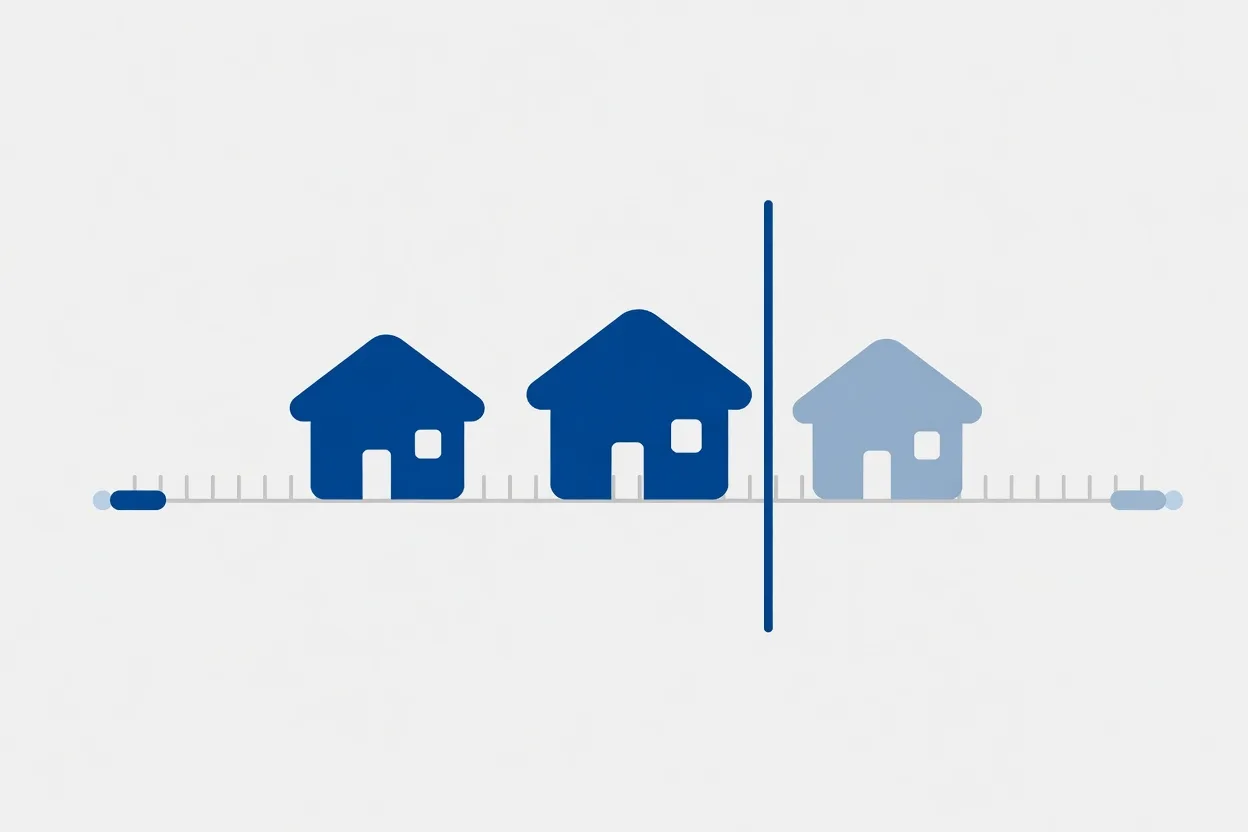
You can't attract buyers who never see your listing.
Many buyers begin their home search by choosing a location, desired features, and a maximum price.
That price limit matters.
Let's say your home would compete well at $625,000, but it's listed at $675,000.
A buyer searching up to $650,000 might love your home. It may offer exactly the location, layout, and outdoor space they've been hoping to find.
They might even be willing to purchase it at a price supported by the market.
But if their search stops at $650,000, your $675,000 listing may never appear in their results.
Now consider the other side.
Buyers searching around $675,000 may see your home, but they're comparing it with properties that offer more of what they expect at that price.
You've potentially created two problems at once:
- Missing buyers who might recognize your home's value.
- Competing against properties that make yours look less compelling.
Not every buyer searches with a firm price ceiling, and agents may introduce properties outside a buyer's original range. But price filters are an important part of how homes are discovered.
Can better marketing fix that?
Strong marketing helps your listing reach more people through the MLS, real estate websites, social media, and other channels.
But attractive photographs, video tours, and engaging descriptions don't change the maximum price someone enters into a property search.
If your asking price puts the home outside a buyer's search range, additional marketing may not solve that problem.
The Team Haigh perspective
The right asking price helps put your home in front of the buyers most likely to appreciate what it offers.
That's why we consider both what your property is worth and where its asking price positions it in the market.
Danger #4
Danger #4: You Make Competing Homes Look More Attractive
Buyers are comparison shopping, whether sellers like it or not.
Think about the last time you made a major purchase.
You probably compared several options before deciding which one offered the best combination of quality, features, and price.
Homebuyers do the same thing.
They may tour several properties in one afternoon. They notice which homes have been updated, which have better layouts, which need work, and which offer features that are difficult to find.
Then they compare those differences with the asking prices.
Your home can make another home look like a bargain.
Imagine two homes in the same general area with similar sizes and floor plans.
One is priced at $650,000 and has an updated kitchen, renovated bathrooms, and a newer roof.
The other is priced at $675,000 but needs several updates.
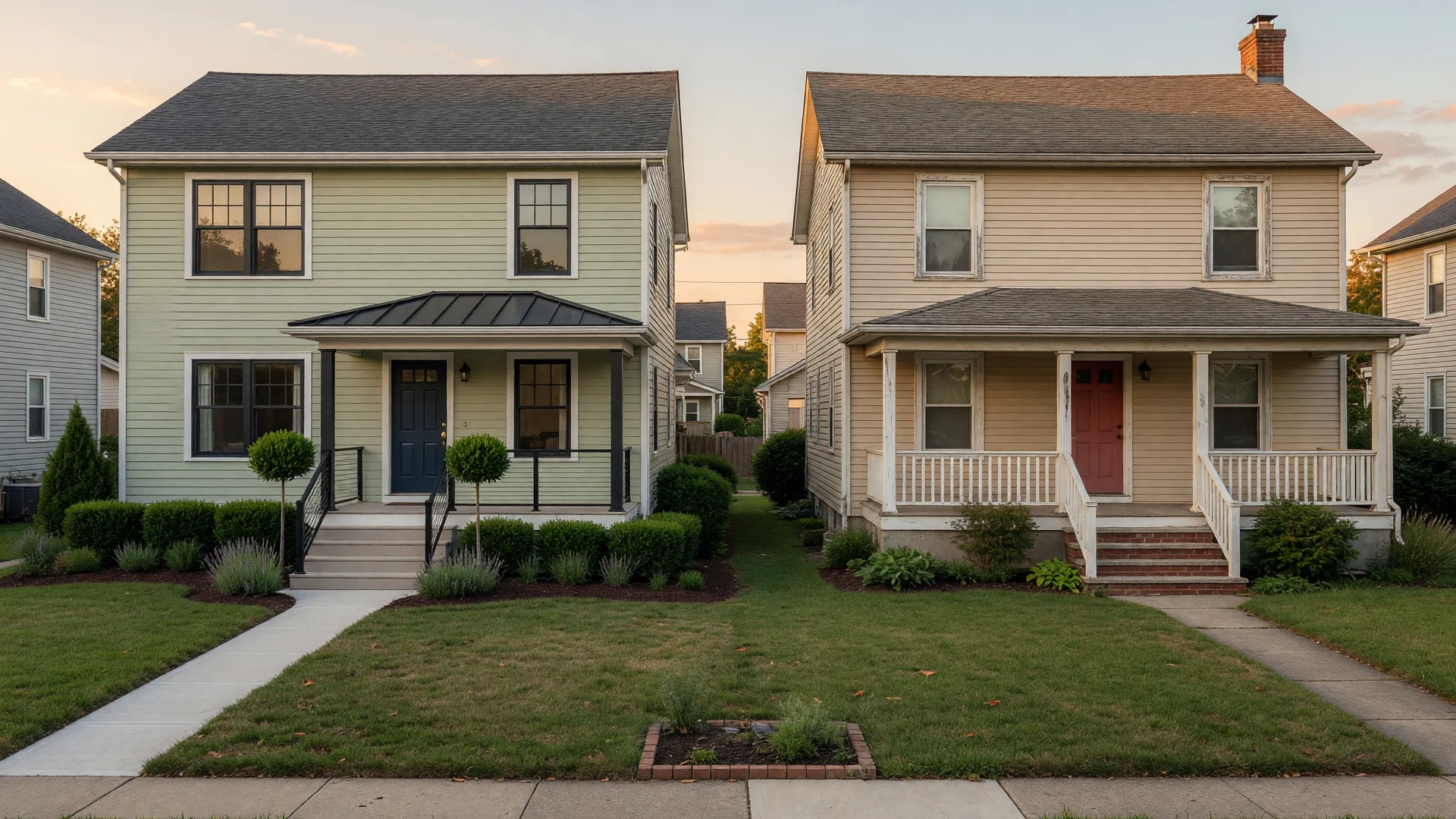
Unless the second home offers other meaningful advantages, buyers may see the first as the more compelling choice.
The overpriced home hasn't just made its own sale more difficult.
It may have helped buyers feel more confident about purchasing the competition.
How do we know where your home stands?
A thoughtful pricing analysis looks beyond a few recently sold homes.
We consider:
- Active listings: What buyers can choose instead of your home right now.
- Pending sales: Which properties have recently attracted buyers willing to enter into a contract, even though their final sale prices may not yet be known.
- Closed sales: What buyers have actually paid for comparable properties.
We also examine differences in location, condition, lot, layout, amenities, and other features that affect value.
No two homes are exactly alike, and a single comparable sale rarely tells the whole story.
An asking price isn't a selling price.
One of the biggest mistakes homeowners can make is confusing what another seller is asking with what buyers are actually willing to pay.
Imagine your neighbor lists a similar home for $50,000 more than the market analysis suggests yours is worth.
Does that mean your home is suddenly worth $50,000 more?
No.
Your neighbor can ask whatever price they choose. But that doesn't mean a buyer will agree to pay it, a lender's appraisal will support it, or the home will sell at all.
An asking price tells you what a seller hopes to receive. A closed sale tells you what a buyer actually agreed to pay and completed the purchase for.
That's why we study more than active listings when recommending a price.
The Team Haigh perspective
Your asking price should reflect what makes your home valuable, not accidentally make another seller's home look like the better deal.
A compelling position starts with understanding the competition buyers will actually see.
Danger #5
Danger #5: You Risk Losing Valuable Time and Negotiating Strength
Your home is the new, shiny object.
When your home first hits the market, it's the new, shiny object. Buyers who have been watching available homes may be especially interested in seeing what's just been listed.
That initial attention is an opportunity, but it doesn't last forever.
At Team Haigh, we call the first 14 days of a listing’s time on the market the Golden Window.
An asking price that doesn't make sense to buyers can waste much of that opportunity.
A later price reduction may attract renewed interest, but it doesn't make your home the new, shiny object again. Buyers may already have seen it, compared it with other properties, or moved on.
You can change the price. You can't recreate your home's original first impression.
What happens when a home sits on the market?
As time passes, buyers may begin asking questions.
Why hasn't it sold? Is something wrong with it? Is the seller willing to negotiate?
Sometimes those questions have nothing to do with the home's condition. The property may simply have been priced above what buyers were willing to pay.
But the longer it remains available, the more its market history becomes part of the conversation.
Price reductions can help a property reach a more appropriate group of buyers, but they don't erase the time already spent on the market.
Danger #5 (continued)
What Our Own Results Tell Us
Throughout more than 13 years of helping homeowners sell, we've consistently observed a pattern: homes priced in line with market evidence tend to sell faster and achieve stronger sale-to-list price ratios than homes that start above our recommended price.
Our 2025 results provide a real-world example.
Clients who followed Team Haigh's pricing recommendations averaged 101.97% of their final asking price, with an average of 34 days on the market.
Clients who chose to list above our recommended price averaged 93.44% of their final asking price and 110 days on the market.
That's a difference of 76 days on the market and 8.53 percentage points in the sale-to-list price ratio.
And here's an important detail: Those percentages are based on the final asking price, after any price reductions, not necessarily the original asking price.
In other words, even after reducing their asking prices, the second group averaged just 93.44% of those final prices.
These figures reflect Team Haigh's closed transactions in 2025. Individual results vary based on the property, competition, market conditions, and other factors.
The lesson? Starting with a higher asking price doesn't mean you'll sell for more. You may simply spend more time on the market before reaching a price buyers are willing to pay.
Chart 1 · Average days on market
2025 closed seller transactions. Sale-to-list results for these groups use final asking prices.
Followed Team Haigh pricing recommendation
Chose a higher asking price
Chart 2 · Average sale price as a percentage of FINAL list price
Final list price means the asking price at the time of sale, after any price reductions, not the original asking price.
Followed Team Haigh pricing recommendation: 101.97% of final list price
Chose a higher asking price: 93.44% of final list price
The dashed reference line marks 100%: the final asking price.
Data source: Team Haigh Realty, 2025 closed seller transactions. Sale-to-list ratios use final asking prices. Individual results vary.
Time can carry a cost.
An extended selling period may mean additional mortgage payments, utilities, insurance, maintenance, or other carrying costs.
It can also complicate a planned move, especially when the seller needs proceeds from one home to purchase another.
And if buyers believe a property has been overpriced for an extended period, some may approach negotiations differently.
That doesn't mean every home with longer market time will sell for less. Market conditions, property type, location, and buyer demand all matter.
But it does mean sellers should consider more than the highest price they hope to receive.
The Team Haigh perspective
The goal is not simply to choose an asking price. It's to choose a price that gives your home a compelling position from the start.
A market-supported asking price, thoughtful preparation, and strong marketing work together to give your home the best opportunity to attract serious buyers.
Conclusion
The Bottom Line: Make Your Home a Compelling Choice
The highest asking price doesn't necessarily produce the highest selling price.
It's the selling outcome that matters.
A home can be beautifully photographed, professionally marketed, and filled with wonderful features, yet still struggle if buyers don't see compelling value.
That's why pricing is about more than a homeowner's desired number, an automated estimate, or what a neighbor's home is listed for.
It's about understanding the market and recognizing what buyers are willing to pay for the specific property you're selling.
Your home deserves more than a guess.
At Team Haigh, we combine market analysis with an understanding of buyer expectations, competing properties, and what makes your home different.
We consider its strengths, condition, location, features, and available competition.
We also want to understand what you're trying to accomplish for your family.
Because selling a home isn't just about the price on the sign. It's about the outcome.
Your home doesn't have to be the prettiest or the cheapest. It needs to be a compelling choice compared with the competition.
And that starts with a price the market can support.
Thinking about selling your home?
Before choosing an asking price, let's talk about your home's competitive position, what today's buyers are looking for, and how we can help you make a strong first impression.
Campbell & Beth Haigh
Team Haigh Realty
Trusted. Experienced. Faith-Driven.
Serving homeowners throughout Northwest Metro Atlanta.
This guide is intended for general consumer education. Every property and market situation is different. Pricing recommendations should be based on current, property-specific market information. No particular sale price, timeline, or result is guaranteed.
Cover